Facial puffiness can be a distressing issue for many. It often results from various factors, such as stress, allergies, or lack of sleep. According to a report by the American Academy of Dermatology, nearly 40% of adults experience skin puffiness at some point in their lives. Understanding how to reduce facial puffiness naturally can empower individuals to enhance their appearance and well-being.
Natural remedies often focus on lifestyle changes and at-home treatments. Simple techniques, like using cold compresses or adjusting dietary habits, can have a profound impact. A survey by the National Institute of Health shows that 72% of individuals who employed natural solutions reported positive results. Incorporating ingredients like cucumber and green tea may offer anti-inflammatory benefits, improving skin texture.
However, it is essential to remember that not every method works for everyone. Individual skin types and conditions vary. Some may find relief in herbal solutions, while others may not. Keeping realistic expectations is crucial in navigating this process. Exploring various natural options allows for personalized treatment plans, enabling everyone to discover what best alleviates their puffiness.
Understanding Facial Puffiness: Causes and Symptoms
Facial puffiness can stem from various causes, including fluid retention, allergies, and lack of sleep. Often, it appears as swelling around the eyes or cheeks. Understanding these symptoms can help in identifying the underlying issue.
Allergic reactions, for example, can cause inflammation and puffiness. Meanwhile, fatigue contributes significantly to a tired appearance.
To tackle this, consider adjusting your diet. Consuming less salt can decrease water retention, providing a smooth complexion. Hydration plays a crucial role too; drink enough water to flush out toxins. Sufficient sleep is vital; aim for seven to nine hours each night. If you notice persistent puffiness, reflect on your habits and routines.
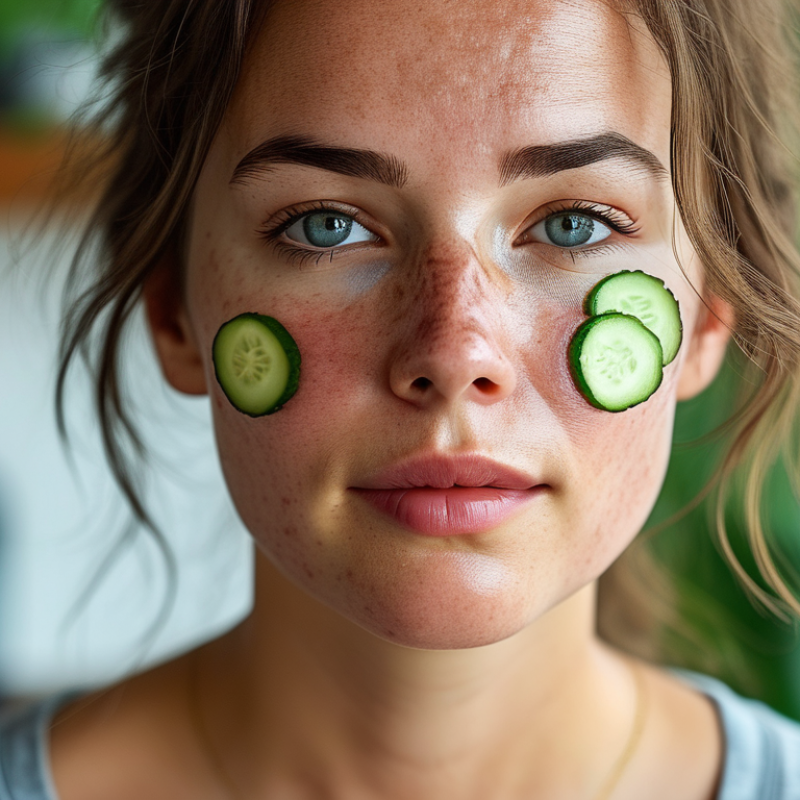
Simple home remedies can alleviate puffiness effectively. Cold compresses, like chilled spoons or cucumber slices, can soothe swollen areas. Elevating your head while sleeping may prevent fluid build-up overnight. Regularly practicing facial massage can also help stimulate circulation, reducing puffiness over time. Assess your routine to find what truly works for you.
Natural Remedies: Effective Home Treatments for Puffiness
Facial puffiness can be both uncomfortable and unflattering. Thankfully, there are numerous natural remedies available at home. Research shows that over 30% of individuals experience facial swelling occasionally. With effective home treatments, one can reduce this discomfort.
One popular method is using cold compresses. Applying a cool cloth or ice pack to the affected areas can help constrict blood vessels, reducing swelling. Additionally, staying hydrated is key. Dehydration may cause your body to retain water, which can worsen puffiness. Drinking adequate water daily is essential for maintaining skin elasticity.
Tips for effective treatment include regular facial massages. Gentle strokes can stimulate circulation and promote lymphatic drainage. Consider using ingredients like aloe vera or cucumber, known for their anti-inflammatory properties. Simply slice cucumbers and place them over your eyes for 10 to 15 minutes. This can help alleviate puffiness naturally.
It’s worth noting that food choices also play a role. High-sodium diets can contribute to water retention and swelling. A diet rich in potassium can counteract this effect. Foods like bananas and leafy greens can assist in balancing sodium levels in the body. Remember, it’s all about finding what works for you. Experiment with these remedies for the best results.
Lifestyle Changes: Tips for Reducing Facial Swelling
Facial puffiness can be frustrating. Many factors contribute to this issue, including diet and lifestyle choices. Making small adjustments can lead to noticeable improvements in facial swelling.
Start by evaluating your diet. Reduce sodium intake to help decrease water retention. Eating less processed food and more fresh fruits and vegetables can also make a difference. Staying hydrated is essential. Drink plenty of water throughout the day to flush out toxins. Sometimes, we forget to drink enough water. It's an easy habit to overlook.
Regular exercise can boost circulation and reduce puffiness. Aim for at least 30 minutes of physical activity daily. Even a short walk can work wonders. Getting adequate sleep is equally important. Lack of rest can lead to fluid retention. Establish a calming bedtime routine to improve sleep quality. Simple habits can be powerful, yet they require commitment and consistency. It’s not always easy to change habits, but even small steps can have lasting benefits.
Dietary Adjustments: Foods to Eat and Avoid for Better Skin
When aiming to reduce facial puffiness naturally, dietary adjustments play a crucial role. A well-balanced diet can enhance skin health and minimize inflammation. Consider eating more foods rich in antioxidants. Berries, leafy greens, and nuts can work wonders. These foods help combat oxidative stress and may improve skin tone. However, it’s essential to be mindful of excessive salt intake. High sodium levels can lead to water retention, worsening puffiness.
Avoid processed foods as much as possible. These often contain preservatives and high amounts of sugar. Instead, focus on whole, natural foods. Incorporating foods like cucumbers and watermelon provides hydration and may aid in flushing out excess fluids. Yet, remember that not every change will deliver immediate results. Some people might need time to notice improvements.
Drinking enough water is equally vital. Hydration helps maintain skin elasticity and can combat puffiness. However, some may find that drinking too much water before bed can lead to swelling in the morning. Reflect on personal habits and identify what works best for you. Adjustments may require trial and error. Embrace the process of discovering the right balance for your diet and skin health.
How to Reduce Facial Puffiness Naturally at Home - Dietary Adjustments: Foods to Eat and Avoid for Better Skin
| Food Type |
Foods to Eat |
Foods to Avoid |
| Fruits |
Berries, Pineapple, Watermelon |
Canned Fruits in Syrup, Dried Fruits |
| Vegetables |
Cucumbers, Leafy Greens, Celery |
Pickled Vegetables, Processed Veggies |
| Nuts and Seeds |
Chia Seeds, Walnuts, Almonds |
Salted Nuts, Processed Snack Mixes |
| Beverages |
Green Tea, Herbal Tea, Water |
Alcohol, Sugary Drinks, Caffeinated Beverages |
| Grains |
Quinoa, Brown Rice, Oats |
White Bread, Refined Grains |
Facial Exercises: Techniques to Reduce Puffiness Naturally
Facial puffiness often arises from various factors. Stress, lack of sleep, and diet can contribute. Natural remedies, especially facial exercises, can help reduce swelling effectively.
Facial exercises improve circulation and tone muscles. One effective technique is the "cheek lift." Smile widely while keeping your lips closed. Hold this position for five seconds, then relax. Repeat this 10 times. It may feel silly, but it encourages blood flow. Another option is the "jaw release" exercise. Mimic chewing without food. This can relieve tension and enhance lymphatic drainage.
Hydration is essential but often overlooked. Drink plenty of water to flush out toxins. Additionally, massaging the face daily helps. Use your fingertips for gentle upward strokes. This boosts circulation, which can alleviate puffiness. Remember, consistency is key. Evaluate how your skin responds to these techniques and adjust as necessary. Each face is unique, and results may vary. Embracing these exercises with patience can lead to noticeable improvements over time.
Conclusion
Facial puffiness is a common concern that can arise from various factors such as fluid retention, lack of sleep, and dietary choices. Understanding the causes and symptoms of puffiness is essential for anyone looking to find effective solutions. This article explores how to reduce facial puffiness naturally at home through a variety of remedies and lifestyle changes.
Natural remedies, such as cold compresses and herbal teas, can significantly help alleviate swelling. Additionally, making simple dietary adjustments—such as reducing salt intake and incorporating anti-inflammatory foods—can enhance skin health. Engaging in facial exercises is another effective method to promote circulation and lymphatic drainage, further aiding in puffiness reduction. By following these tips, individuals can adopt a holistic approach to reducing facial swelling and achieving a more refreshed appearance.
 AOF Beauty
