Explore our top-tier collection of high-tech personal wellness and skincare devices optimized for global OEM/ODM sourcing.
Analyzing current global commercial trends, technological benchmarks, and procurement dynamics in the wholesale beauty device sector.
In the contemporary global beauty and skincare sector, thermal aesthetic technologies—particularly nano-ionic facial steamers—have crossed over from luxury spa environments directly into retail consumer ecosystems. Driven by the expansion of at-home aesthetic routines and the post-pandemic focus on medical-grade self-care, the global facial steamer market has achieved a compound annual growth rate (CAGR) of over 6.5%. Procurement departments, distributors, and brand owners face the challenge of matching high consumer expectations with manufacturing partners who demonstrate rigid quality systems, design innovation, and scale capabilities.
Sourcing directly from established China facial steamers factories and suppliers provides businesses with access to a highly integrated, cost-efficient, and technologically advanced manufacturing cluster. South China, specifically the Pearl River Delta region, remains the absolute epicentre of personal beauty electronics manufacturing. These ecosystems unite cutting-edge hardware design, precision molding, rapid prototyping, and complex regulatory certification under one umbrella, offering international brands unparalleled speed-to-market and pricing elasticity.
Why leading global aesthetic brands choose China-based supply chains for facial steamers and personal electronics.
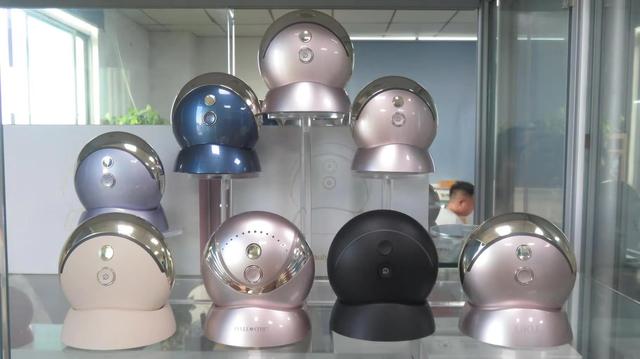
China’s advanced facilities integrate state-of-the-art ceramic heating elements (PTC) and ultrasonic transducers. This technology splits water molecules into nano-ionic particles, significantly improving transdermal absorption compared to standard hot-water boiling methods.
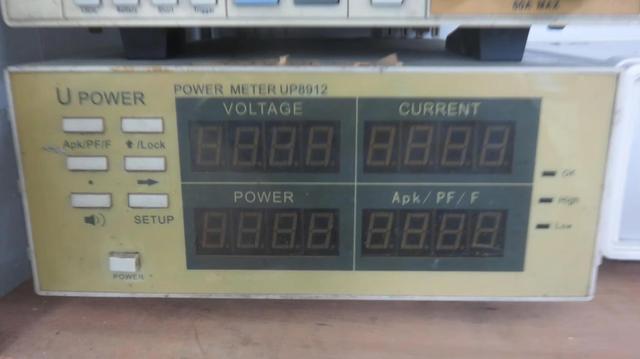
Leading factories run strict validation tests including high-pressure tank testing, continuous operating life cycle tests, electromagnetic compatibility (EMC), and compliance with FDA, CE, FCC, RoHS, and WEEE directives, ensuring seamless clearance for import.
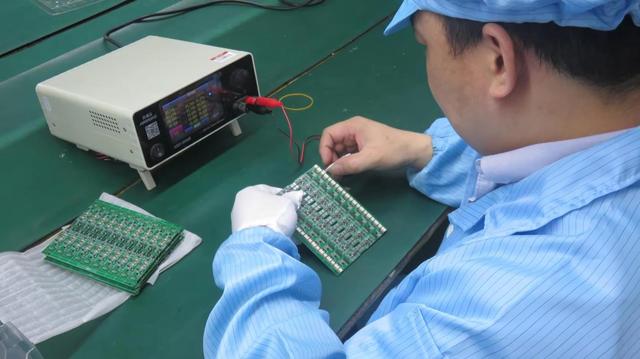
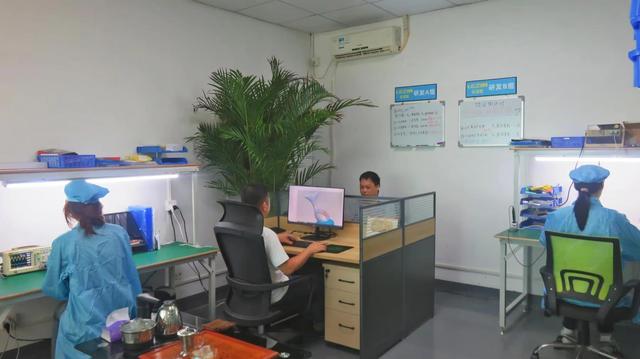
Fitted with in-house industrial design, mold-making, injection-molding, and PCB assembly facilities, China factories compress the prototype-to-mass-production timeline from typical quarters down to mere weeks, optimizing supply chain response.
Leading Chinese manufacturer delivering professional engineering, high-capacity production, and global export solutions.
Guangzhou AOF Beauty Co., Ltd. is a professional China Facial Massager Manufacturer specializing in the research, development, and production of advanced beauty devices, skincare tools, and anti-aging solutions for global beauty brands, distributors, retailers, and private label businesses. With a strong focus on innovation, quality, and user experience, we provide modern beauty technology designed to meet the growing demand for effective at-home skincare solutions.
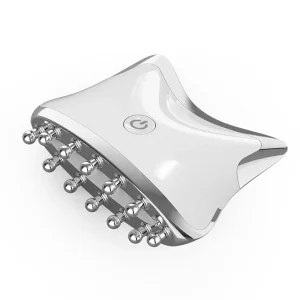
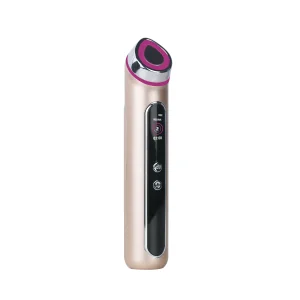
Our product portfolio includes facial massagers, skin rejuvenation devices, facial lifting tools, anti-aging beauty devices, LED skincare equipment, microcurrent beauty devices, skin tightening solutions, facial cleansing tools, eye care devices, and other personal beauty electronics. Combining advanced technology with ergonomic design, our products are developed to support healthier-looking skin, improved skincare routines, and enhanced beauty experiences.
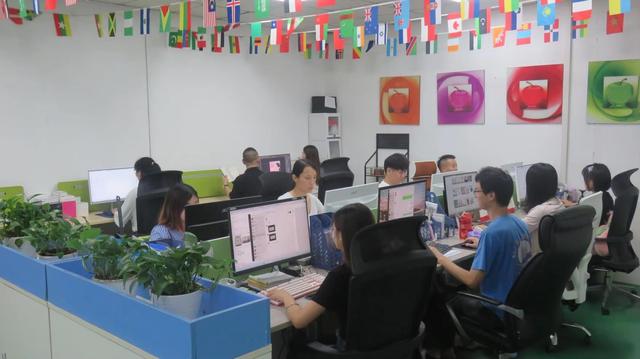
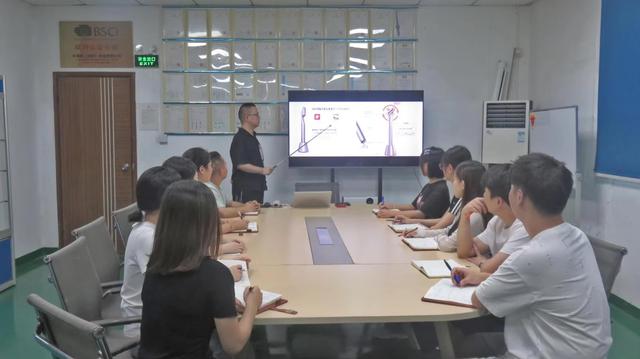
At Guangzhou AOF Beauty Co., Ltd., we offer comprehensive OEM and ODM manufacturing services to help customers create unique beauty device brands. From product design and engineering to logo customization, packaging development, and mass production, our experienced team delivers complete solutions tailored to market requirements and brand objectives.
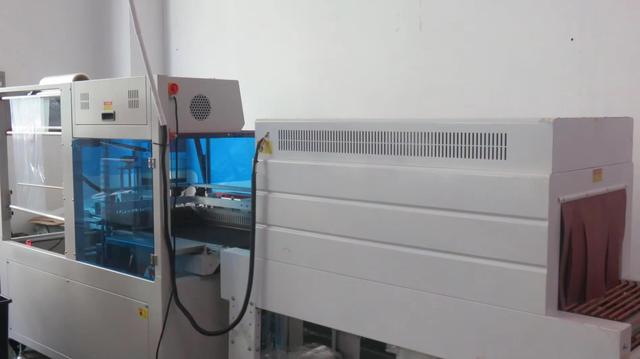
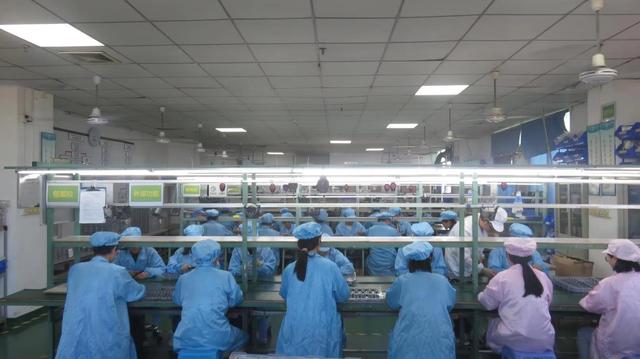
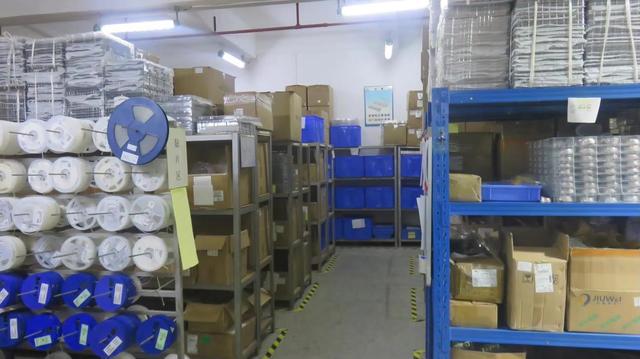
Quality and safety are fundamental to our operations. Our manufacturing facilities utilize advanced production equipment and rigorous quality control systems to ensure consistent product performance, reliability, and compliance with international standards. We continuously invest in research and development to introduce innovative beauty technologies that align with emerging consumer trends and industry advancements.
In addition, we are committed to sustainable manufacturing practices and responsible product development, helping our partners bring high-value beauty solutions to market while supporting long-term environmental goals.
Serving customers across North America, Europe, Asia, the Middle East, and other international regions, Guangzhou AOF Beauty Co., Ltd. has established itself as a trusted partner in the global beauty device industry.
Understanding the engineering specifications and cross-border commercial dynamics of modern facial steamers.
A true commercial-grade facial steamer relies on advanced thermodynamic systems. Modern units from premier Chinese manufacturers utilize a PTC (Positive Temperature Coefficient) ceramic heating element coupled with high-frequency ultrasonic transducers. This combination heats water rapidly to a safe vaporization threshold while fragmenting the output stream into fine, sub-micron particles. The result is a consistent, non-scald steam that penetrates the epidermal layers to open pores, soften debris, and prepare the stratum corneum for enhanced serum absorption.
To capture regional markets effectively, international procurement agents must adapt product configurations for localized markets. For instance, the European Union mandates rigorous RoHS compliance for plastic additives and EMC checks for high-frequency components. In North America, UL, ETL, and FCC certifications are essential for commercial salons and standard retail outlets. Localization also includes adapting technical details such as voltage and plug layouts (110V/60Hz for the US vs. 220-240V/50Hz for Europe and Australia) and integrating automated shut-off sensors to prevent dry burning and overheating in local households.
Essential inspection metrics for certifying and choosing a factory partner in the beauty hardware category.
When selecting a manufacturing facility in China for bulk facial steamer supplies, sourcing directors must look beyond price points and evaluate structural competencies. A robust production lifecycle must maintain high standards across four key operational phases: