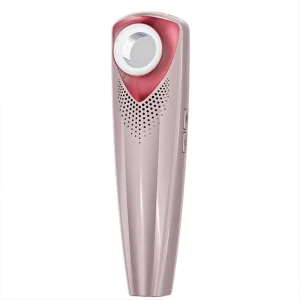
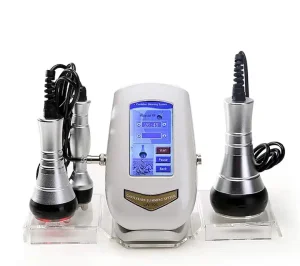
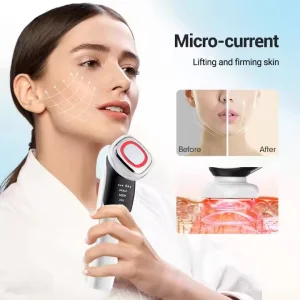
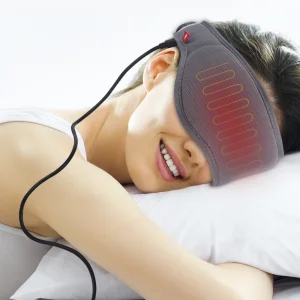
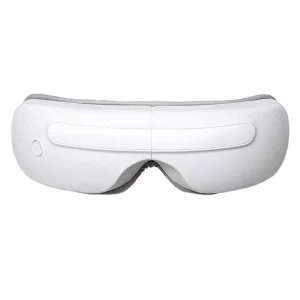
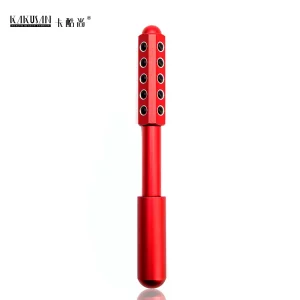
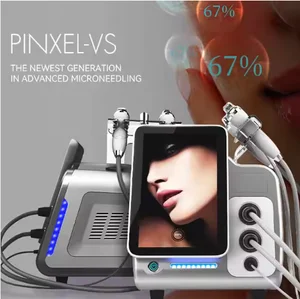
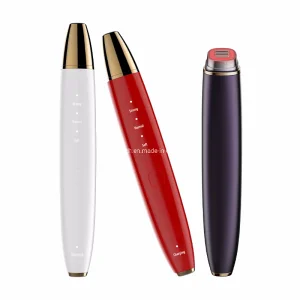
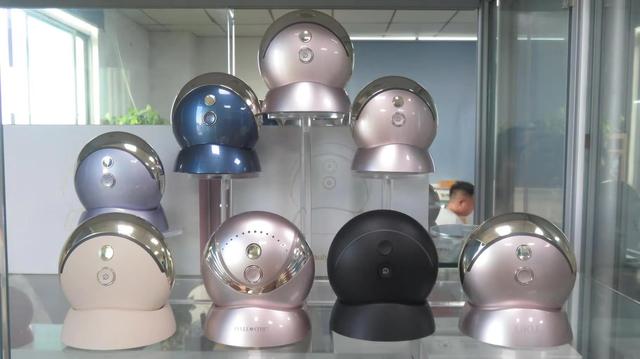
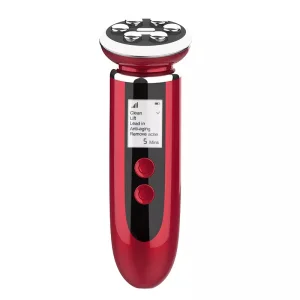
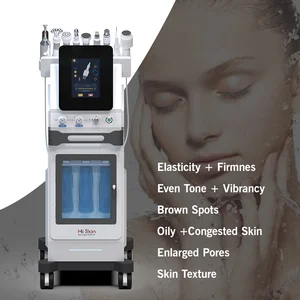
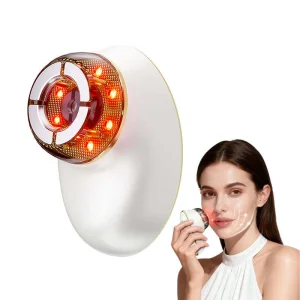
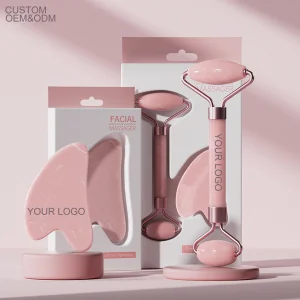
Explore our highly requested, compliant, and precision-engineered personal care devices. Available for immediate private labeling and custom engineering.
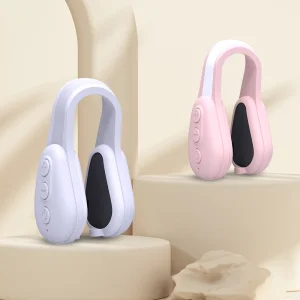
Manufacturer Professional Milk Light Beauty Device Home Use
1. Executive Market Brief & Global Commercial Analysis
The global home beauty tech landscape is experiencing a massive paradigm shift. As clinical dermatology treatments transition from professional salons to domestic environments, the demand for highly sophisticated, medical-grade home beauty gadgets has experienced explosive growth. Market intelligence reveals that the global beauty device market is projected to reach USD 35.8 billion by 2030, registering a compound annual growth rate (CAGR) of over 14.5% during the forecast window.
This commercial growth is propelled by key factors: an aging population seeking non-invasive anti-aging treatments, rapid technological breakthroughs in microcurrent, radiofrequency (RF), and phototherapy, and the convenience offered by personalized smart-app-integrated devices.
$35.8B
Projected Market Size by 2030
14.5%
Expected Annual CAGR
85%+
Greater Bay Area Supply Share
ISO 13485
Leading Factory Quality Standard
B2B procurement officers and international brand owners must navigate this fast-paced segment with strategic diligence. With hundreds of exporters claiming manufacturing status, identifying the top tier of suppliers requires analyzing critical competencies: vertical supply chain integration, quality control standards (specifically FDA registration, CE/RoHS, and ISO 13485 medical device systems), and R&D engineering pipelines.
2. Guangzhou AOF Beauty – Redefining the OEM/ODM Paradigm
Guangzhou AOF Beauty Co., Ltd. is a professional China Facial Massager Manufacturer specializing in the research, development, and production of advanced beauty devices, skincare tools, and anti-aging solutions for global beauty brands, distributors, retailers, and private label businesses.
Comprehensive Portfolio
Facial massagers, skin rejuvenation devices, lifting tools, anti-aging beauty devices, LED skincare equipment, microcurrent units, and eye care tools designed to meet the growing demand for effective at-home skincare solutions.
OEM/ODM Excellence
Providing custom mold design, industrial design, electronic engineering, logo customization, packaging development, and scale production tailored to target markets.
Uncompromising Quality
Utilizing advanced cleanrooms and production machinery to ensure high quality, reliability, and compliance with international regulatory bodies.
By investing in clinical testing and technological research, Guangzhou AOF Beauty Co., Ltd. ensures that partners receive devices that deliver real, measurable dermal benefits. Serving customers across North America, Europe, Asia, and the Middle East, the company has established itself as a trusted partner in the global beauty device industry.
3. The Hegemony of Chinese Smart Manufacturing in Beauty Tech
Why does the majority of the world's home beauty technology originate from China, specifically the Pearl River Delta industrial cluster? The answer lies in the deep concentration of component manufacturing, component engineering, and testing infrastructure.
1. Complete Supply Chain Ecosystem
Guangzhou and Shenzhen host an unparalleled ecosystem of sub-suppliers. From precision custom mold-injection factories and semiconductor logic board providers to biocompatible metal plating and LED bead engineers, all raw materials are sourced within a 50-kilometer radius.
2. Rapid Prototyping & Agility
Chinese factories can conceptualize, 3D-print, mock-up PCBs, and produce functional prototypes in as little as 10 to 15 days. This enables global beauty brands to test markets and iterate designs significantly faster than Western counterparts.
3. Cost & Scale Efficiency
High-volume manufacturing lines, automated assembly units, and specialized testing machines allow Chinese factories to achieve unmatched economies of scale, offering premium electronics at highly competitive price points.
Rather than simply lowering labor costs, China's competitive advantage lies in its specialized infrastructure. Advanced testing machinery—such as microcurrent oscilloscopes, skin phantom targets, integrating spheres for LED spectral calibration, and automated RF wave analyzers—ensures high product consistency at scale.
4. Key Evaluation Criteria for Selecting a Top Beauty Device Factory
Sourcing managers face risks when dealing with lookalike products that vary significantly in electronic components and safety standards. B2B buyers should evaluate prospective suppliers using a strict quality framework:
Evaluation Vector
Minimum Requirement
Best-in-Class Factory Indicator (AOF Level)
Regulatory Compliance
CE, RoHS, LVD, FCC certifications.
FDA 510(k) cleared, Medical ISO 13485 certification, PSE, KC, and In-house Clinical Trial Reports.
By enforcing these evaluation standards, global purchasing departments can avoid product recalls, customs delays, and IP litigation, ensuring long-term brand equity and customer satisfaction.
5. Emerging Global Trends in At-Home Beauty Technology (2025-2030)
Staying competitive requires staying aligned with technological evolution. The industry is rapidly moving beyond single-function tools to complex, multi-modal solutions.
1. Multimodal Energy Synergy
Leading exporters are combining EMS (Electrical Muscle Stimulation), Radiofrequency, and red/blue/near-infrared phototherapy into single handheld devices. These multi-treatment regimes optimize tissue stimulation across different skin depths simultaneously.
2. Smart Sensoring & Heat Control
Modern RF devices now feature integrated contact sensors that measure real-time skin impedance. This dynamically scales the thermal output, keeping tissues at the optimal 40°C–42°C range for neocollagenesis while preventing burns.
3. Bio-Compatible Materials
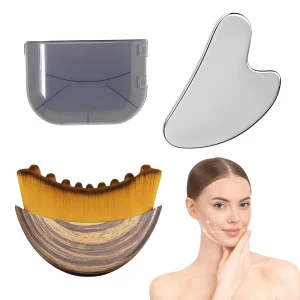
As consumers become more aware of material safety, brands are demanding hypoallergenic contact surfaces. The use of premium jade, rose quartz, germanium, and surgical steel prevents contact dermatitis and elevates the user experience.
Understanding localized consumer preferences allows brands to tailor their product selections to specific markets:
North America & Western Europe: The demand is driven by anti-aging, wrinkle reduction, and jawline definition. High-energy RF devices, microcurrent lifters, and LED masks with strong red/NIR spectrums perform well. Regulatory compliance—such as FDA clearance, CE marking, and eco-friendly packaging—is essential for entry.
East Asia (Japan, South Korea, China): Consumers prioritize skin brightening, pore refinement, and lymphatic drainage. Gentle microcurrent massagers, cold-compress systems, milk light devices, and face rollers with germanium elements are popular. In these markets, aesthetic design, compact form factors, and delicate skin contact are key selling points.
Latin America & Middle East: Body sculpting, fat cavitation, and deep tissue toning are growing segments. Heavy-duty 40kHz cavitation and RF multi-pole slimming machines are highly sought after by salons and premium home-use consumers.
7. Industrial Strength & Production Line Gallery
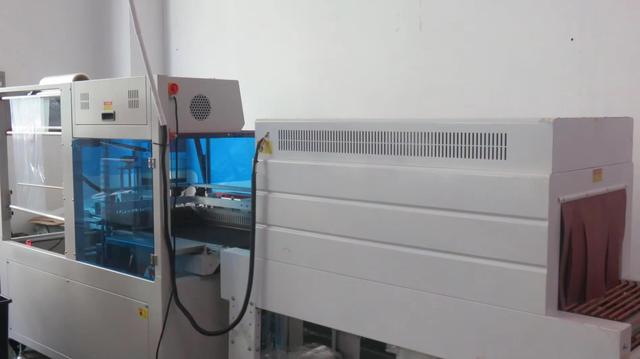
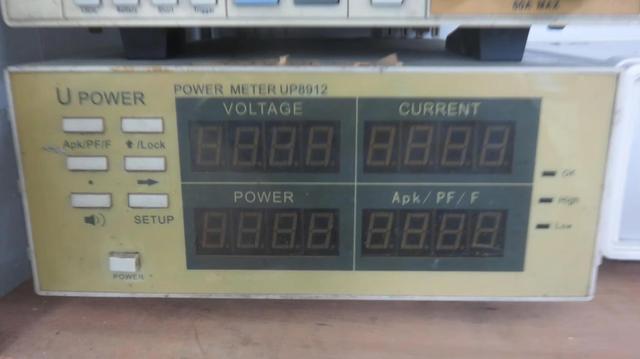
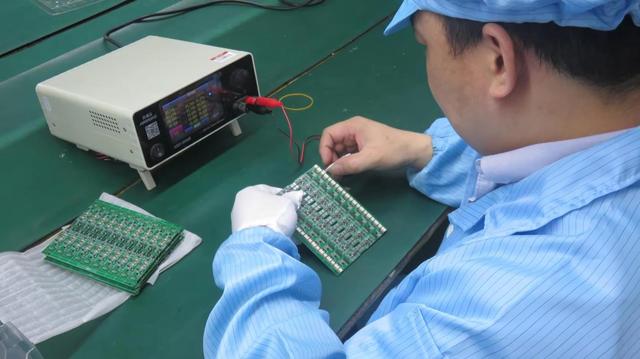
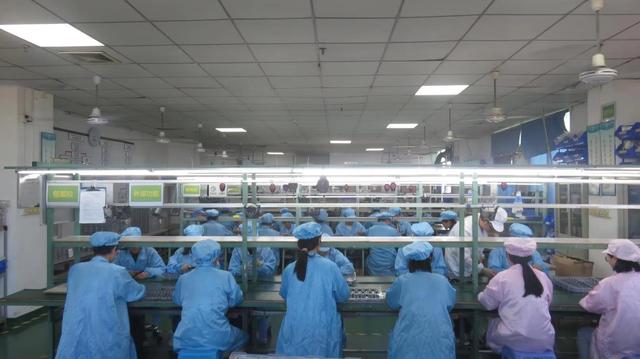
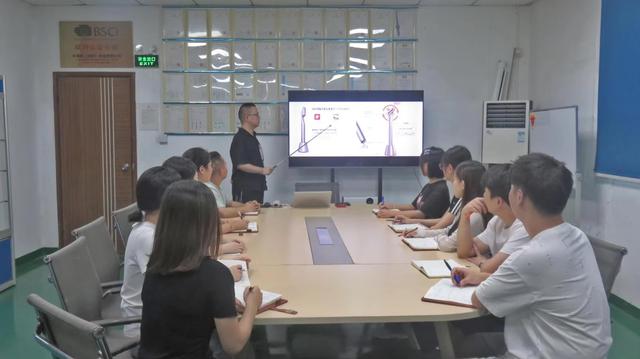
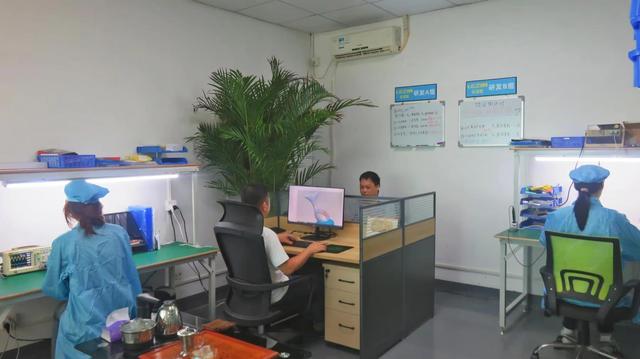
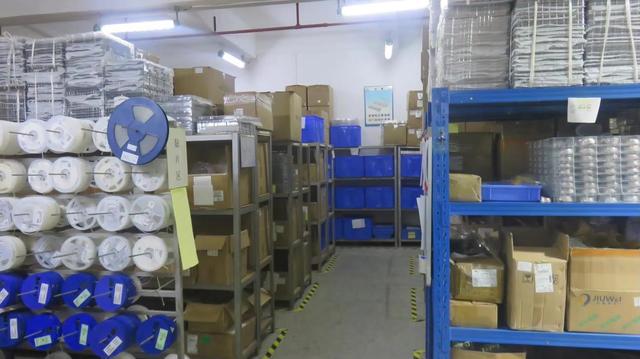
Take a look inside our advanced manufacturing facility, featuring ISO-compliant cleanrooms, quality testing areas, and automated assembly operations.
By maintaining clean assembly areas and utilizing multi-stage inspection points, Guangzhou AOF Beauty Co., Ltd. ensures that every shipped device meets strict international performance benchmarks.
8. Step-by-Step B2B Procurement Strategy for Volume Buyers
To streamline the sourcing process and ensure reliable production cycles, B2B buyers should follow a structured step-by-step roadmap:
Step 1: Technical Spec definition
Identify your target audience's requirements: define preferred frequencies (e.g., 1MHz RF, 40kHz Cavitation), specific light wavelengths (e.g., 630nm red LED), battery safety parameters, and certification requirements.
Step 2: Sample Testing & Verification
Request functional samples to test battery life, surface heating, microcurrent stability, and overall material finish. Verify internal components, chip designs, and soldering quality.
Step 3: Factory Inspection
Perform an on-site or virtual live-video audit of the manufacturing facility. Review cleanroom standards, worker conditions, warehousing controls, and check certifications like ISO 13485.
Step 4: Trial Production & QC
Start with a smaller run (e.g., 500 units) to assess production stability. Establish clear quality criteria and define acceptable defect rates before proceeding to full-scale manufacturing.
Step 5: Logistics & Shipping
Ensure battery shipments comply with UN38.3 transport safety regulations. Partner with freight forwarders experienced in handling consumer electronics and customs clearance procedures.
Step 6: Post-Market Monitoring
Review customer feedback and performance metrics. Coordinate with the manufacturer’s technical team to continuously refine future production batches.
Q1: What are the standard Minimum Order Quantities (MOQs) for custom branding?
For basic silk-screened logo customization on existing product housings, the typical MOQ ranges from 500 to 1,000 units. For full ODM projects requiring custom injection molds, custom PCBs, and unique housing designs, MOQs generally start at 3,000 units.
Q2: How do you verify and control the power and output frequency of RF/EMS devices?
Each production batch undergoes testing using digital oscilloscopes and thermal imaging cameras. We verify that the RF frequency operates within the targeted 1MHz to 3MHz range, and that built-in thermal sensors shut down power before skin temperature exceeds 43°C.
Q3: What certifications are required to import these devices into the US and European markets?
For the European Union, CE (LVD, EMC) and RoHS certificates are mandatory. For the United States, FCC verification is required for electronic emissions, and depending on the device's functional claims, FDA Class I or Class II (510k clearance) registration may be necessary.
Q4: What is the typical lead time for a production cycle?
Standard OEM orders using existing molds are completed in 30 to 45 days. Custom ODM projects requiring new industrial tooling, PCBA layout design, prototyping, and regulatory validation typically take 90 to 120 days.
Q5: How is lithium battery safety handled during international transit?
We use high-grade rechargeable cells certified to UN38.3, MSDS, and IEC62133 standards. All air and sea shipments are packed and documented in full compliance with international dangerous goods transport guidelines.
Explore our highly requested, compliant, and precision-engineered personal care devices. Available for immediate private labeling and custom engineering.
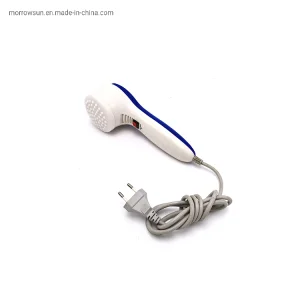
Electric Cheapest Handheld Vibration Wave Infrared Heat Phototherapy Shiatsu Mini Massage Hammer Facial Massager
 AOF Beauty