Understanding The Physics of Ultrasonic Skin Spatulas
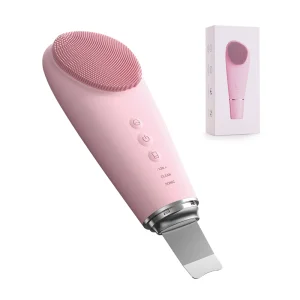
Ultrasonic skin spatulas, widely referred to as ultrasonic skin scrubbers, represent a core pillar of modern non-invasive dermatological treatments. The fundamental technology relies on high-frequency sound waves generated via a piezoelectric transducer system housed in the wand. The standard operating frequency oscillates between 24,000 Hz (24 kHz) and 28,000 Hz (28 kHz).
When the metal spatula blade, typically fashioned from medical-grade 304 or 316 stainless steel, contacts a liquid medium (such as water or a specialized tonic) on the skin's surface, it causes mechanical vibration. This motion initiates acoustic cavitation. Microscopic bubbles form, expand, and abruptly implode. The resulting shockwaves generate localized pressure, detaching desquamated corneocytes, excess sebum, and external particulate matter from the stratum corneum without inducing cellular trauma.
24-28 kHz Resonance
The optimized resonance sweet spot for human skin. Provides maximum sebum emulsification without disrupting the lipid barrier or causing mechanical micro-tearing.
Piezoelectric Transducers
Proprietary lead zirconate titanate (PZT) crystal transducers convert electrical signals into mechanical energy with minimal thermal loss, maintaining stable frequency output.
Sonophoresis Mode
Utilizes positive/negative ionization and ultrasound waves to increase intercellular space, driving active ingredients like Vitamin C and Hyaluronic Acid into deep epidermal layers.
Global B2B Procurement Standards: What Sourcing Directors Demand
As home-use beauty technology converges with clinical med-spa modalities, the demand for high-reliability ultrasonic skin scrubbers is surging in North America, Western Europe, and East Asia. Sourcing directors, brand managers, and raw component procurement officers must balance multiple technical and regulatory variables.
1. Regulatory Compliance and Material Safety
Products coming in direct contact with skin must avoid leaching heavy metals. Premium buyers demand RoHS, CE, and FDA compliance certifications. In addition, the internal lithium polymer batteries must possess UN38.3 and MSDS (Material Safety Data Sheet) credentials for safe maritime and air freight transit.
2. Ingress Protection (IP Code)
Because skin spatulas are used alongside water-based serums, misting systems, and damp clinical towels, water ingress is the leading cause of field failures. High-end procurement contracts mandate IPX5 to IPX7 waterproof ratings for the casing, featuring ultrasonic plastic welding and customized silicon gaskets surrounding the charging interface.
3. Electrical Component Standards
Stable performance requires highly advanced control ICs (Integrated Circuits) that prevent frequency drift. If a device drops below 20 kHz during contact loading, it enters the human audible range, producing uncomfortable high-pitched squealing and failing to generate sufficient kinetic energy for effective exfoliation.
28k
Peak Sonic Hz
100%
Bio-safe SUS Blades
0.05%
Defect Rate (AQL 0.4)
60+
Global Export Markets
China Factory 4.0: Unmatched Supply Chain Resilience & Efficiency
China’s manufacturing landscape has transitioned from simple labor-intensive assembly to integrated Industry 4.0 smart manufacturing. For ultrasonic spatulas, the Pearl River Delta (specifically Guangzhou and Shenzhen) offers a dense industrial cluster of advanced plastic injection molding, high-precision PCB assembly, and sensor development.
Rapid Prototyping
Advanced tooling shops use state-of-the-art multi-axis CNC machines to cut complex mold cavities, compressing the time between initial design drafts and production-ready parts down to under 30 days.
Vertical Integration
PCB fabrication, plastic injection, component surface mounting (SMT), cleanroom testing, and retail-ready printing are all consolidated within a single metropolitan grid, minimizing logistics overhead.
Stringent Quality Audits
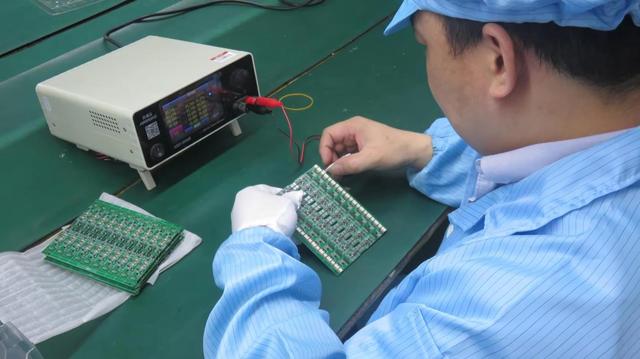
Utilizing computerized test rigs to verify oscillation frequencies under loading stress, ensuring every device shipped maintains performance standards throughout its lifecycle.
Diverse Treatment Protocols & Localized Use Cases
Ultrasonic spatulas are versatile, multipurpose tools used across various settings. Sourcing departments should customize technical designs, battery life, packaging styles, and localized instruction manuals to suit specific end-user segments.
Aesthetic & MedSpa Clinics
Used during pre-treatment deep pore cleansing. Replaces harsh physical scrubs, opening up intercellular lipids to maximize the efficacy of subsequent chemical peels, microdermabrasion, or laser resurfacing.
Home Skincare Regimens
Ergonomic, lightweight personal devices designed for simple, safe home use. Equipped with smart 5-minute auto-off timers, inductive charging stands, and gentle exfoliation modes tailored for sensitive skin.
Travel Beauty Solutions
Compact, USB Type-C chargeable devices with protective dust covers. Designed for travelers, easily fitting into makeup kits and offering long battery life for on-the-go skincare routines.
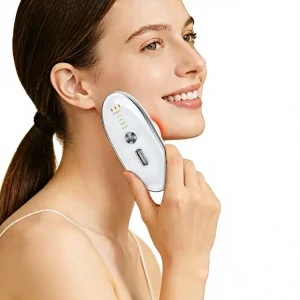
Guangzhou AOF Beauty Co., Ltd. is a professional China Facial Massager Manufacturer specializing in the research, development, and production of advanced beauty devices, skincare tools, and anti-aging solutions for global beauty brands, distributors, retailers, and private label businesses. With a strong focus on innovation, quality, and user experience, we provide modern beauty technology designed to meet the growing demand for effective at-home skincare solutions.
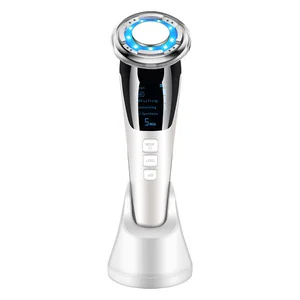
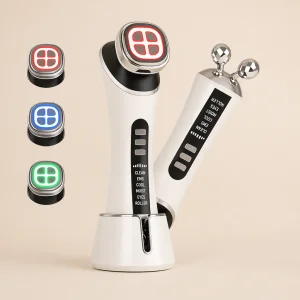
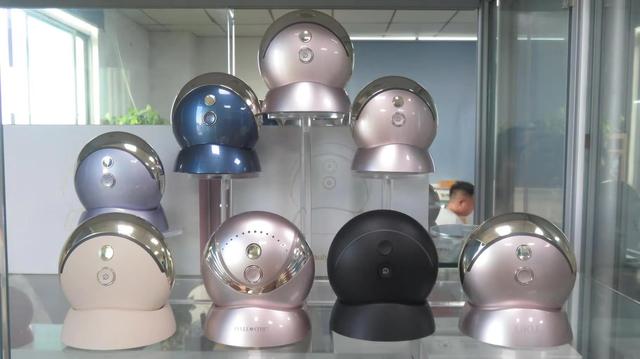
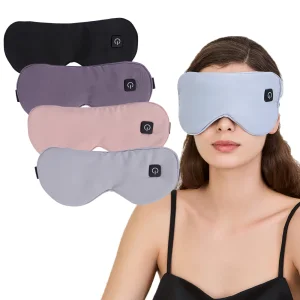
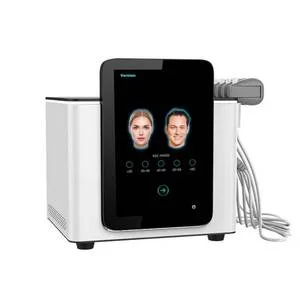
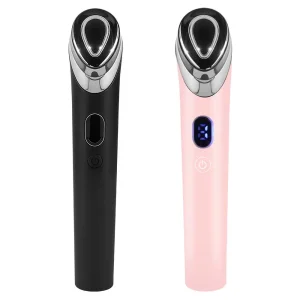
Our product portfolio includes facial massagers, skin rejuvenation devices, facial lifting tools, anti-aging beauty devices, LED skincare equipment, microcurrent beauty devices, skin tightening solutions, facial cleansing tools, eye care devices, and other personal beauty electronics. Combining advanced technology with ergonomic design, our products are developed to support healthier-looking skin, improved skincare routines, and enhanced beauty experiences.
At Guangzhou AOF Beauty Co., Ltd., we offer comprehensive OEM and ODM manufacturing services to help customers create unique beauty device brands. From product design and engineering to logo customization, packaging development, and mass production, our experienced team delivers complete solutions tailored to market requirements and brand objectives.
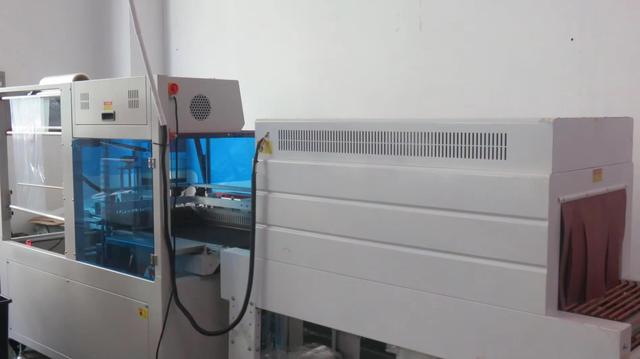
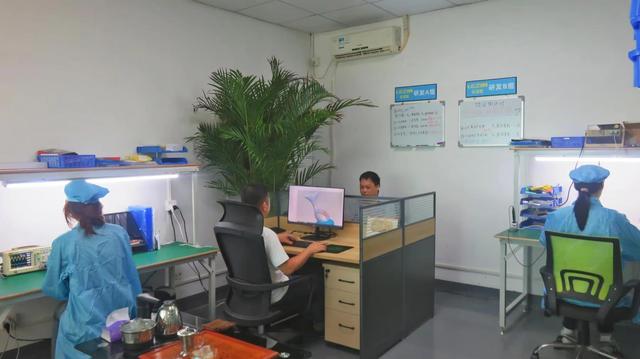
Quality and safety are fundamental to our operations. Our manufacturing facilities utilize advanced production equipment and rigorous quality control systems to ensure consistent product performance, reliability, and compliance with international standards. We continuously invest in research and development to introduce innovative beauty technologies that align with emerging consumer trends and industry advancements.
In addition, we are committed to sustainable manufacturing practices and responsible product development, helping our partners bring high-value beauty solutions to market while supporting long-term environmental goals.
Serving customers across North America, Europe, Asia, the Middle East, and other international regions, Guangzhou AOF Beauty Co., Ltd. has established itself as a trusted partner in the global beauty device industry.
B2B Purchasing & Engineering FAQ
Find detailed answers to common technical, manufacturing, and shipping questions for wholesale clients.
What is the optimal ultrasonic frequency range for professional skin scrubbers?
The optimal range is 24 kHz to 28 kHz. In this range, mechanical oscillations create stable cavitation bubbles that safely lift debris from pores. If the frequency drops below 20 kHz, it becomes audible to the human ear. If it goes above 35 kHz, energy penetration depth changes, reducing extraction efficiency.
Which stainless steel grade is recommended for the blade tips?
We use medical-grade SUS304 or SUS316 stainless steel. These alloys offer excellent corrosion resistance against saline, cosmetic acids, and alcohol disinfectants, preventing heavy metal migration and skin sensitivities.
What safety certifications are required for global distribution?
For Europe, CE (LVD/EMC) and RoHS certifications are mandatory. For North America, FCC and FDA 510(k) clearances are required for medical/aesthetic classifications. For international shipping, the battery packs must carry UN38.3, MSDS, and IEC62133 certifications.
How does Guangzhou AOF Beauty Co., Ltd. ensure frequency stability?
Our QC protocol uses digital spectrum analyzers during automated final testing. Every device is tested under pressure to verify that the control circuit keeps frequency drift below ±0.5 kHz, ensuring safe and reliable operation.
What are your typical OEM and ODM lead times?
Standard OEM production runs (custom pad printing and packaging) take 25 to 30 days. Custom ODM projects (new industrial design, tooling development, and custom PCB engineering) take 60 to 90 days from design sign-off to first-article inspection.
How is battery life managed for handheld beauty tools?
We use A-grade lithium polymer cells (typically 500mAh to 800mAh) with integrated battery protection circuits (PCM). This design prevents overcharging and deep discharge, sustaining over 500 charge-discharge cycles while retaining at least 80% of original capacity.
Complete Smart Skincare & Anti-Aging Catalog
Explore our wider catalog of advanced anti-aging systems, electric massagers, targeted eye care devices, and high-frequency lifting equipment.
 AOF Beauty